The Strange Capitalism of AI
AI’s frontier is becoming more governed and expensive in the West, even as China and open-weight models commoditize intelligence, lower prices and force competition back into the market.

Notes from books, papers, lectures, and serious study.
Short notes, reading traces, and public fragments that are useful enough to keep.
AI’s frontier is becoming more governed and expensive in the West, even as China and open-weight models commoditize intelligence, lower prices and force competition back into the market.
Mood is not evidence. Discipline means distinguishing reluctance from real information and allowing changed circumstances—not discomfort—to guide action.
Competence is not always a prerequisite for responsibility. Often, responsibility creates the pressure through which adjacent skills become judgment. AI may compress learning and execution, but the willingness to be tested remains scarce.


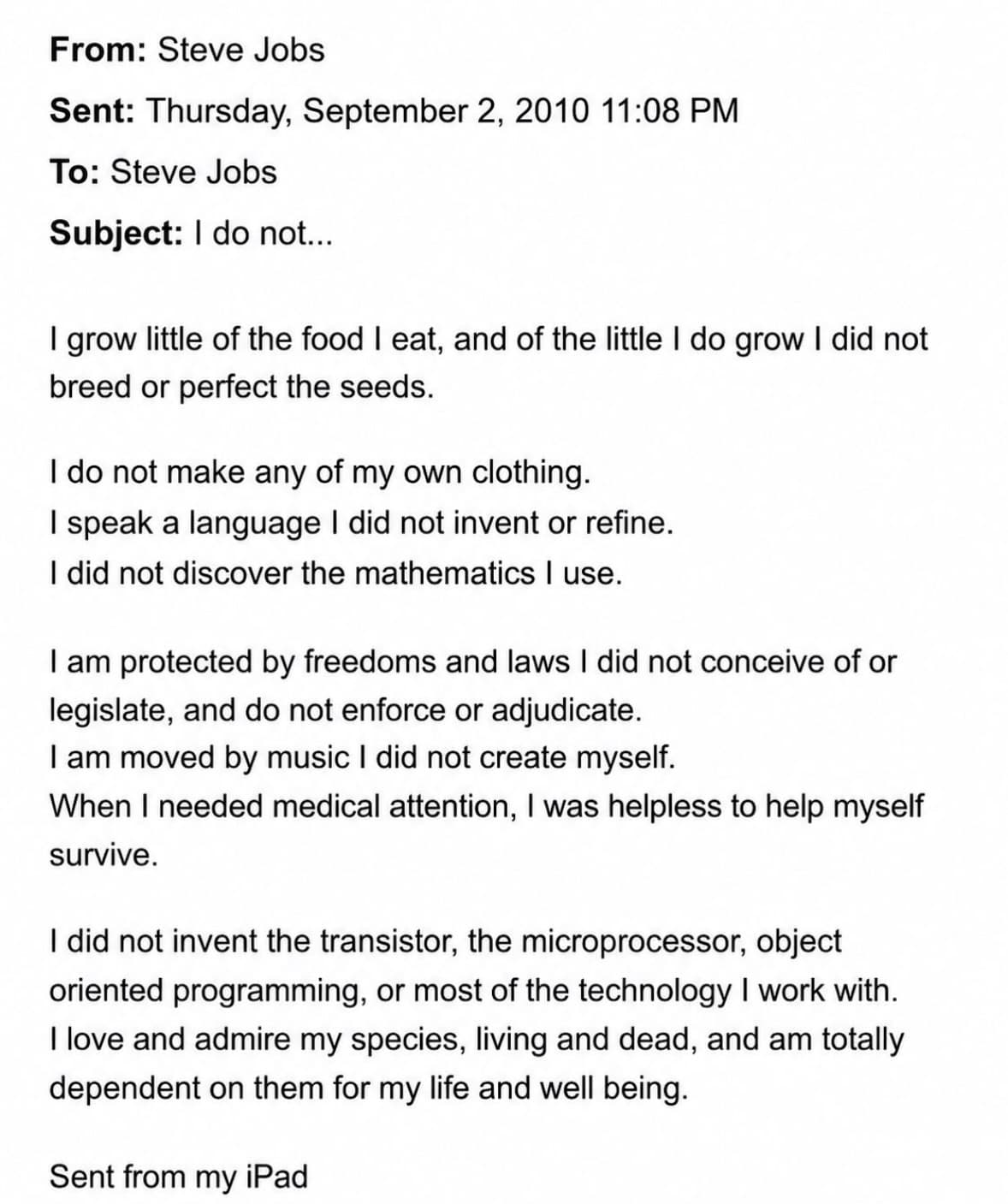
Several earlier arguments about work, sovereignty, and AI are becoming less speculative as events catch up. The question is whether we can notice the present before consensus names it.

We consume social signals about information before we evaluate truth, using familiarity, belonging, and implied permission to prepare conviction.
The most useful questions were ordinary ones: what changes Monday, which problem was observed, and whether the promised capability exists beyond the presentation.
Delay is not indecision but a disciplined refusal to let the first available explanation become the only one. Question assumptions, incentives, emotions, and sources before accepting a story.
Alex Karp’s critique matters because it comes from inside the AI wave: tokens are not yield, usage is not value, and enterprise AI must be judged by the consequences it produces.

AI does not persuade; it concludes, removing the interval in which doubt might have lived. What remains is fluency mistaken for truth, and consensus reduced to the absence of difference.

As AI makes execution cheaper, direction matters more: what to build, whom to serve, and whether the problem is worth solving.

AI models may reinforce what people are most likely to accept, strengthening existing beliefs and collective overconfidence.

At the AI Summit, the sameness of AI products and marketing is hard to miss. Credibility will belong to companies with sharper, truer, more specific stories.
Markets are pricing AI on a future shaped by foundational model capability and rapid workflow innovation. As leaderboards continue to shift, the case for broad AI pessimism remains premature.








AI can make young engineers faster without making them better.
AI can execute flawlessly—but it can’t care. The next era belongs to those who question the premise, slow down when speed feels wrong, and carry culture through automation.
Companies can fall into an AI loop of modernization and cost savings. Breaking it requires wanting more: resilience, intelligence, and speed.

Distribution is no longer a durable moat. The next wave will win with modular, AI-native technology, outcome-based pricing, and domain-specific units of intelligence that augment higher-value work.
AI is making people-heavy operations less necessary. Indian IT firms must shift from billing for headcount and hours to pricing technology margins, outcomes, and capabilities that expand what clients can do.
Data centers are the new factories, and compute is becoming a foundation of sovereignty. India must build its own AI backbone or risk renting its digital destiny from others.
Cheaper code and faster delivery do not guarantee a useful product. Conviction grounded in customer understanding gives the work direction.
Most festivals celebrate the victors. Onam is.
AI did not erase research’s value; it removed the scapegoat. Gartner’s deeper challenge is a generation of builders acting on conviction, accepting failure, and refusing to outsource accountability.
As Microland turned 36, Nextronauts brought together hands-on exploration, discovery, and imagination—reminding us that curiosity and possibility are the real engines of progress.

AI hype can make the job market feel overwhelming. Build genuine skill, pursue valuable work, and stay grounded in fundamentals instead of chasing every shiny narrative.
AI-first operations integrate intelligence into existing workflows, combining human judgment, modular tools, and governance without requiring a wholesale replacement of the stack.
Your feed isn’t a mirror of reality; it’s a version of reality chosen for you by an algorithm that decides which voices rise and which quietly disappear.
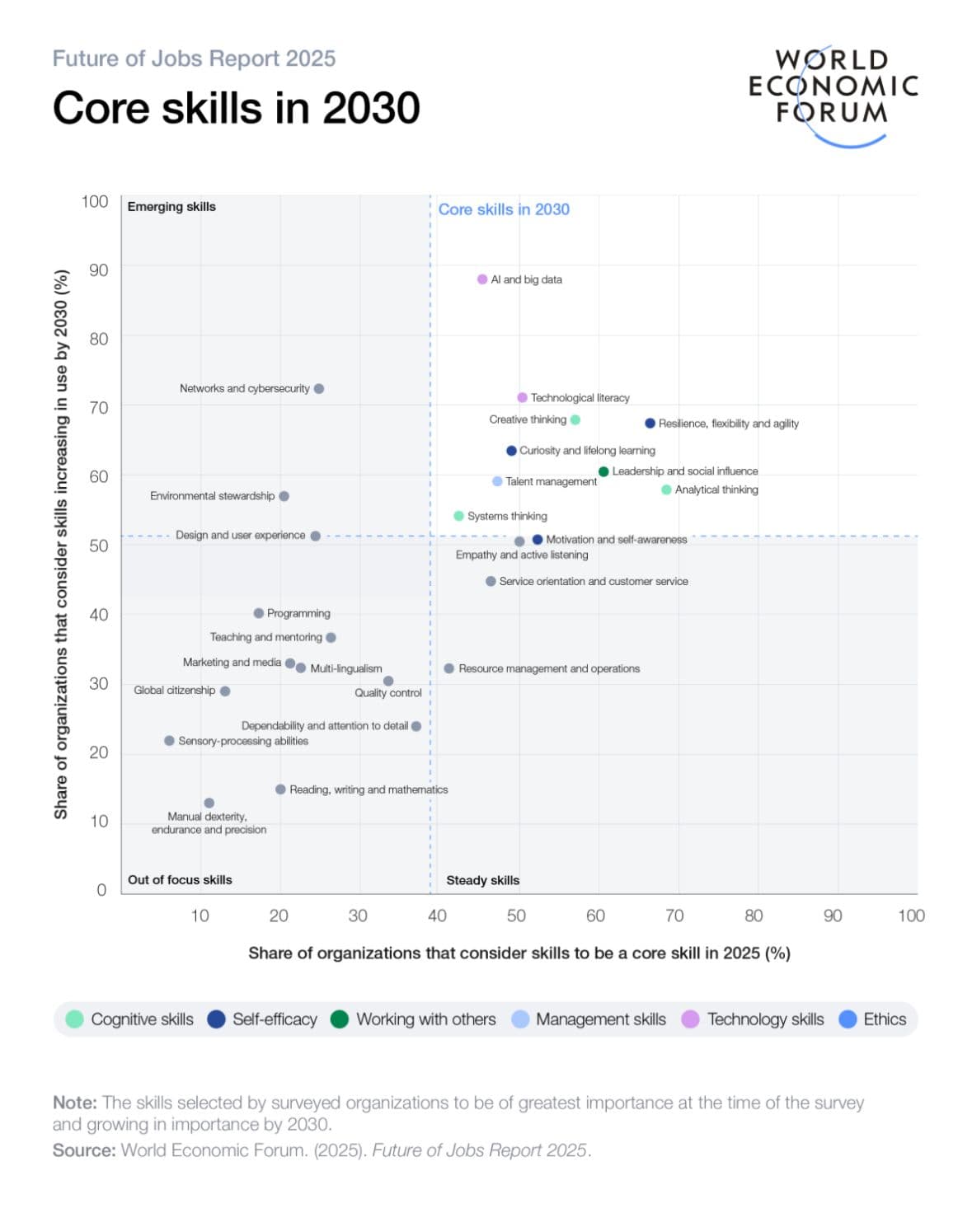
The future of work may favor AI, resilience, and creativity, but those skills depend on the basics: reading, writing, mathematics, reasoning, and the ability to teach others.
Seeking software development engineers at all levels with Next.js, full-stack, and user experience skills, along with backend and machine learning engineers experienced in Python.