MARGINALIA · LinkedIn
Tokens are not yield
Alex Karp’s critique matters because it comes from inside the AI wave: tokens are not yield, usage is not value, and enterprise AI must be judged by the consequences it produces.

Judgment, responsibility, and the work of making direction legible to others.
24 entries
Alex Karp’s critique matters because it comes from inside the AI wave: tokens are not yield, usage is not value, and enterprise AI must be judged by the consequences it produces.
AI is too consequential to be left to enthusiasts. The conversation needs less prophecy, more proof, and a lot more precision.

AI does not persuade; it concludes, removing the interval in which doubt might have lived. What remains is fluency mistaken for truth, and consensus reduced to the absence of difference.

As AI makes execution cheaper, direction matters more: what to build, whom to serve, and whether the problem is worth solving.

AI models may reinforce what people are most likely to accept, strengthening existing beliefs and collective overconfidence.

Markets are pricing AI on a future shaped by foundational model capability and rapid workflow innovation. As leaderboards continue to shift, the case for broad AI pessimism remains premature.

High-performance teams do not rely on charisma or surveillance. They run on judgment, standards, and the habits people keep when nobody is looking.




AI can make young engineers faster without making them better.
AI can execute flawlessly—but it can’t care. The next era belongs to those who question the premise, slow down when speed feels wrong, and carry culture through automation.
Distribution is no longer a durable moat. The next wave will win with modular, AI-native technology, outcome-based pricing, and domain-specific units of intelligence that augment higher-value work.
Data centers are the new factories, and compute is becoming a foundation of sovereignty. India must build its own AI backbone or risk renting its digital destiny from others.
Cheaper code and faster delivery do not guarantee a useful product. Conviction grounded in customer understanding gives the work direction.
AI did not erase research’s value; it removed the scapegoat. Gartner’s deeper challenge is a generation of builders acting on conviction, accepting failure, and refusing to outsource accountability.
Speed is cheap now. Differentiation is not. The winning teams are the ones who know what to build, not just how fast to ship.

In an age of agents, the advantage is not pretending humans are obsolete. It is building systems that still care about judgment, ownership, and taste.

The future of work may favor AI, resilience, and creativity, but those skills depend on the basics: reading, writing, mathematics, reasoning, and the ability to teach others.
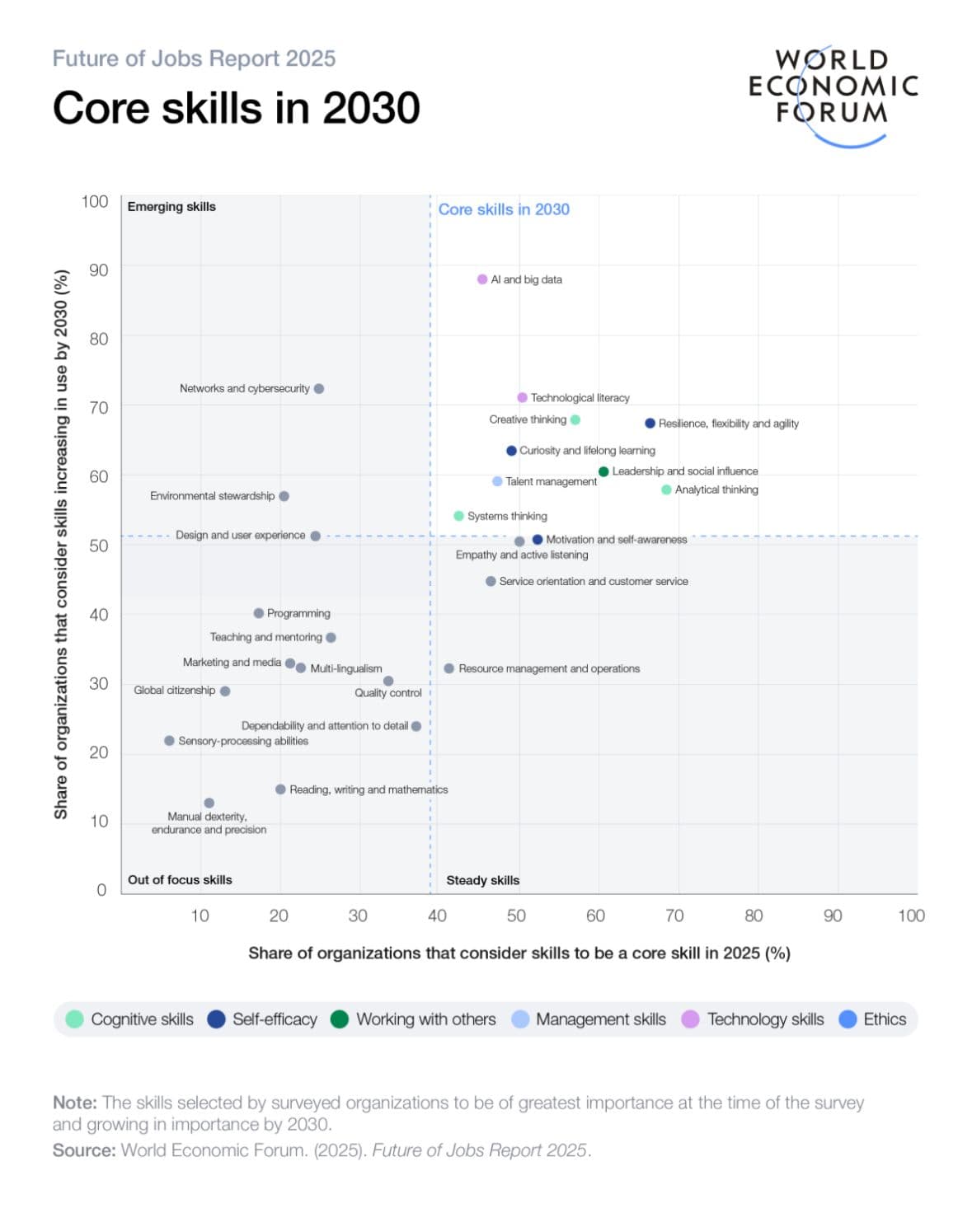
Great teams are not just resilient under stress. They get stronger because they are built to absorb volatility without losing direction.

Innovation teams fail when they become hobbies. They thrive when they operate like a disciplined crew with a mission, roles, and mutual trust.

Silence feels safe until it becomes expensive. The best leaders make room for dissent before the mistake ships.

A disruptive idea does not need more noise. It needs a coalition, a narrative, and a path through the org chart.

Great ideas rarely fail on logic alone. They fail when business and IT treat innovation like a parked asset instead of a shared operating model.