In a World of AI Agents, Giving a Damn Is a Power Move
Originally published on linkedin
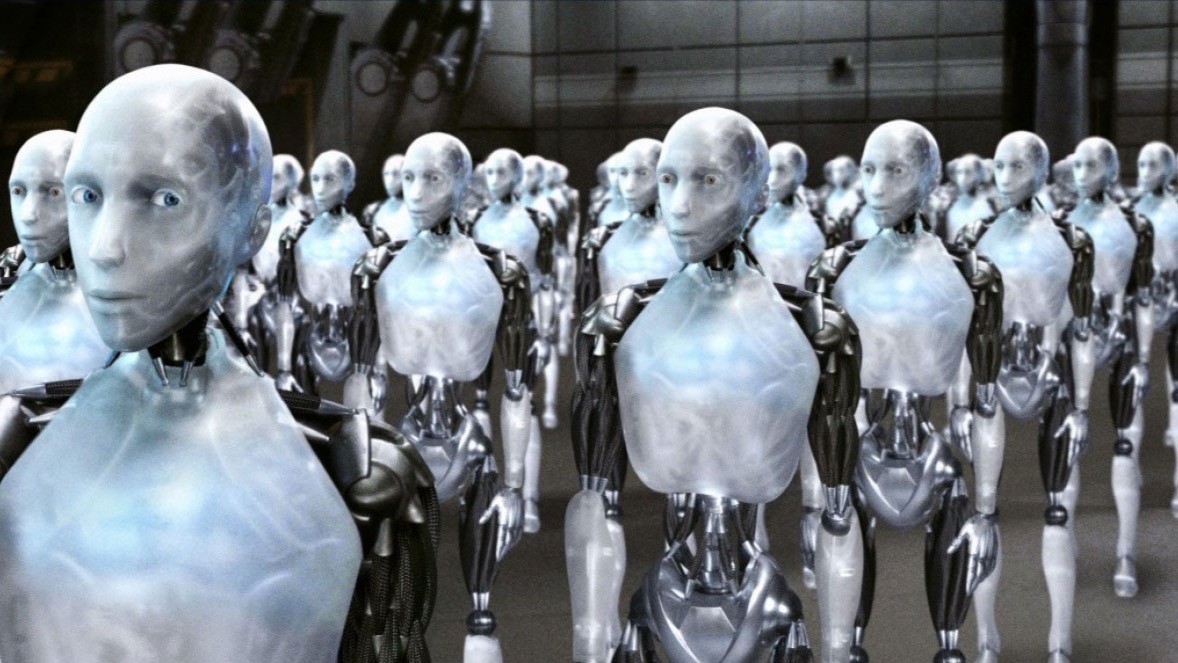
You’ve heard the buzzwords. Agents, Co-pilots, AutoGPT, AutoAuto, Synthetic staff.
It sounds like progress. Clean. Efficient. Scalable. They don’t burn out. They don’t ask for raises. They don’t have bad days or gut feelings or existential dread. They do what we did; only cheaper, faster, and without the soul.
But if that’s all we build for, we’re not just automating tasks. We’re flattening people.
When Work Becomes Synthetic
We’re no longer just handing over spreadsheets and schedules. We’re handing over cognition. Even our thinking’s going synthetic. AI doesn’t just assist. It acts. Responds. Reasons. It learns what we do and then does it at scale.
This means, if your value is defined by speed, accuracy, or polish, you're standing in a shrinking circle. That’s the terrain AI dominates. If your job runs on patterns and processes, it’s getting absorbed into the machine.
This isn’t the age of tool adoption. It’s the age of identity erosion, if we’re not paying attention.
Doing the Right Things vs Doing Things Right
AI is brilliant at doing things right. Precision. Throughput. Rules without rebellion. That’s its home turf.
The system never stops to ask if this is even the right problem. That’s the moral, contextual, maddening terrain of judgment. Of questioning the premise. Of pausing mid-sprint and saying: “Hold on. Is this even the problem we should be solving?”That’s where real impact lives. Not in execution, but in redefinition.
The future belongs to people who know when not to trust the system. Who don’t just move fast, but who know when to slow down; and why.
A machine doesn’t improvise well because you cannot program a fear of death - Dr Mann, Interstellar
Judgment in the Messy Middle
Humans don’t always get it right. We’re biased, overwhelmed, and often inconsistent. But there are still domains where even the most advanced synthetic staff falter; places where the data is sparse, the context is murky, and the stakes are deeply human.
Take healthcare. Microsoft recently demonstrated how its AI models could outperform top specialists in diagnosing certain cancers, synthesizing patterns from medical histories, imaging scans, and unstructured clinical notes. It’s brilliant. But brilliance isn’t the same as care. Because after the model flags a rare tumor, someone still has to deliver the news. To weigh treatment options not just by statistical survival rates, but by what matters to this patient, in this moment. To sit across from a terrified family and translate probabilities into empathy. That’s not a function call. That’s a human act.
Synthetic staff can process signals. But they can’t hold tension. They don’t live in ambiguity. And they don’t know what it means to give a damn.
They can paraphrase Nietzsche’s “He who has a why to live can bear almost any how” or Thoreau’s “The mass of men lead lives of quiet desperation” but they won’t feel the ache in either. They can spit out the insight, but they can’t sit in the mess it leaves behind. They don’t pause before delivering a hard message. They don’t know when silence says more than speech.
Humans Who Give a Damn
The most irreplaceable people aren’t the fastest. They’re the ones who notice what others overlook and choose to act.
The ones who hear the hesitation in a colleague’s voice and follow up after the call. Who question the rollout of a new feature because the UX feels off, even if the metrics look fine. Who delay a decision, not out of indecision, but because their gut says something’s not adding up.
This kind of care is irrational. Inconvenient. It messes with the roadmap. But it’s also the thing that keeps real trust alive.
You can't automate the human who gives a damn. Because they’re not just doing their job. They’re carrying the culture.
What's Giving A Damn
Caring deeply means more than good intentions; it means owning the work, no matter how you got there. Too often, people lean on vibe code as a shield, excusing rushed or instinctive decisions when problems arise. But moving fast or following a gut doesn’t erase accountability. Whether in code or life, as our roles grow, so does the responsibility to stand by our choices and fix what breaks.
What excuses will you accept when the stakes are higher? Real care looks like owning both the process and the outcome, even when it’s messy or inconvenient. This willingness to take full responsibility is what keeps trust alive and makes “giving a damn” more than just a phrase; it makes it a practice.
Code and Care - Building with Both
The answer isn’t to push back against the synthetic tide. It’s to build a future where code and care can coexist; and amplify each other.
Let synthetic staff handle the mechanical, the menial, the measurable.
But keep space for human staff who can doubt, imagine, and challenge. Don’t turn them into prompt writers and form fillers. Give them narrative ownership. Let them shape the questions, not just review the answers. When work becomes synthetic, it isn’t work anymore. It’s a conveyor belt. It's the industrial era phoning the Information Age; but on FaceTime.
But human work? That’s story, stewardship, and sometimes sacrifice.
What It Means to Be Human Now
Being human now isn’t about resisting the machine. It’s knowing when to jam the gears. It’s about showing up differently. With discernment. With creativity. With the courage to say, “No, that’s not enough.” Even when the model says otherwise. It means seeing the system; but also stepping outside of it. Being the one who slows things down when everything screams for speed. Who notices when the data leaves something out. Who knows the difference between a metric and a mission.
Because in the end, synthetic staff will get things done. But authentic staff move things forward.
And right now, they matter more than ever. Because, buzzing GPUs can't automate giving a damn.
What is to give light must endure burning. - Viktor Frankl
Related essays
Vishnu Rajkumar
Vishnu leads AI engineering at Microland and writes about artificial intelligence, systems, judgment, work and technological change.
About the author →