MARGINALIA
Mood Gets No Vote
Mood is not evidence. Discipline means distinguishing reluctance from real information and allowing changed circumstances—not discomfort—to guide action.
Public-safe notes on work, labor, and what the archive says about disciplined making.
17 entries
Mood is not evidence. Discipline means distinguishing reluctance from real information and allowing changed circumstances—not discomfort—to guide action.
Competence is not always a prerequisite for responsibility. Often, responsibility creates the pressure through which adjacent skills become judgment. AI may compress learning and execution, but the willingness to be tested remains scarce.

Several earlier arguments about work, sovereignty, and AI are becoming less speculative as events catch up. The question is whether we can notice the present before consensus names it.

Alex Karp’s critique matters because it comes from inside the AI wave: tokens are not yield, usage is not value, and enterprise AI must be judged by the consequences it produces.

As AI makes execution cheaper, direction matters more: what to build, whom to serve, and whether the problem is worth solving.

Work is no longer one shared contract. Different generations are optimizing for different virtues, and organizations have not caught up.

Markets are pricing AI on a future shaped by foundational model capability and rapid workflow innovation. As leaderboards continue to shift, the case for broad AI pessimism remains premature.


AI can make young engineers faster without making them better.
Distribution is no longer a durable moat. The next wave will win with modular, AI-native technology, outcome-based pricing, and domain-specific units of intelligence that augment higher-value work.
AI is making people-heavy operations less necessary. Indian IT firms must shift from billing for headcount and hours to pricing technology margins, outcomes, and capabilities that expand what clients can do.
Cheaper code and faster delivery do not guarantee a useful product. Conviction grounded in customer understanding gives the work direction.
AI did not erase research’s value; it removed the scapegoat. Gartner’s deeper challenge is a generation of builders acting on conviction, accepting failure, and refusing to outsource accountability.
AI hype can make the job market feel overwhelming. Build genuine skill, pursue valuable work, and stay grounded in fundamentals instead of chasing every shiny narrative.
AI-first operations integrate intelligence into existing workflows, combining human judgment, modular tools, and governance without requiring a wholesale replacement of the stack.
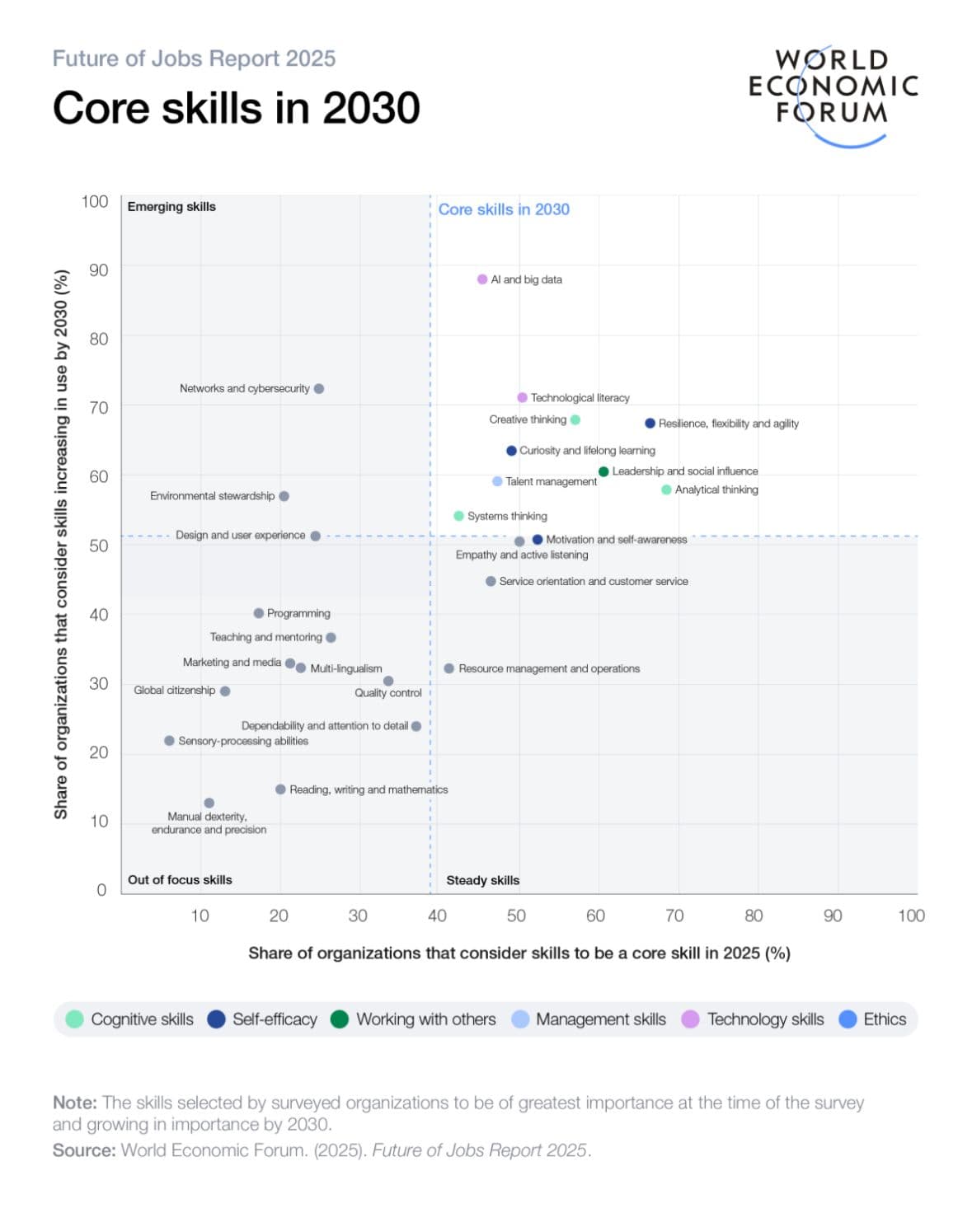
The future of work may favor AI, resilience, and creativity, but those skills depend on the basics: reading, writing, mathematics, reasoning, and the ability to teach others.
Seeking software development engineers at all levels with Next.js, full-stack, and user experience skills, along with backend and machine learning engineers experienced in Python.