Saving Conviction, Empathy & Creativity In A World Obsessed With Analytics, Data & Chatbots
Originally published on linkedin
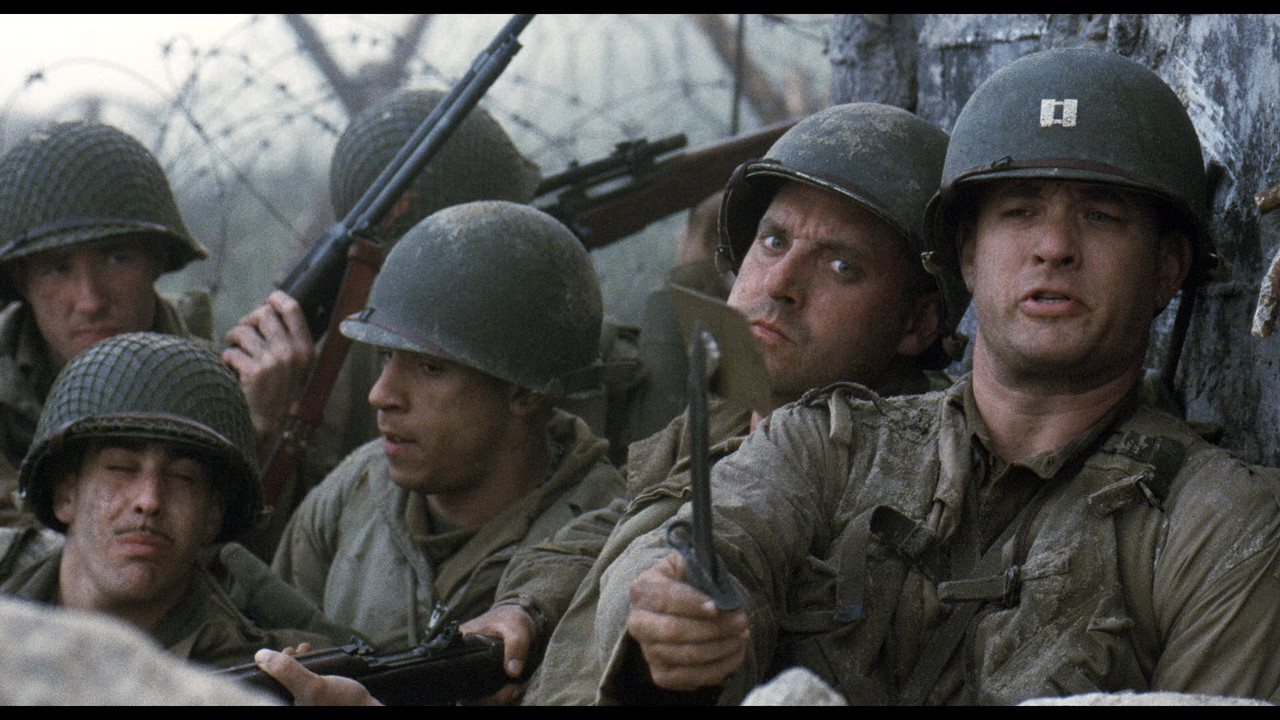
The movie Saving Private Ryan opens with the scene depicting the Omaha beach landing by the allied forces during the World War II. This one of the spectacular war scenes ever made for its grandeur and realistic picturization of the horrors of war. The scene that lasted 27 minutes of the invasion by the allied forces wasn't storyboarded by Spielberg; instead, the location of cameras was derived from the inspiration from the action on the ground.The core theme of the movie is a journey in pursuit of an unlikely outcome, and that somehow is the pure representation of awesomeness and joy of that pursuit. Much like how a mountaineer would joyously talk about the insurmountable challenges she has had to overcome to achieve the feat to enjoy the vista around.
Now, consider the story in today's world; in most work and business settings, this is quite different. We're in pursuit of predictability over originality and we dig deep into data; BigData we call it.
Consider the avenues where data is applied, that sucks the soul out of human ingenuity. If this sounds like a rant to any data-loving scientists out there, this is isn't about being anti-data or anti-analytics or anti-objectivity; instead, this is about how little a thought certain people put in before applying data science. How wrong we collectively are in the manner we use data science.
This is also about the imbalance that data creates in decision making for two participating parties; take the case of insurance, there is one party with organized information on the risk of a certain age group, gender, income and location to decide on the premium and the other with little or no information about how the other party did on previous claims on a certain medical condition for the same age group, gender, income, and location; except for some decentralized information on some random forum on the internet.
That might have sounded like calling for Communism in data science and redistribution of access to information, but it isn't or maybe it is, in the sense that there needs to be more transparency. Think of it like the argument on Volkswagen emission-cheating scandal that it wouldn't have happened if Volkswagen's code was open source and not proprietary. One very familiar situation is when we've to justify why a certain decision is being taken based on the data points considered and its weight. That might sound totally alright to you and that's fine; and right.
But the effrontery of this approach is that it traps us in the past; that keeps us from the best for mere good. Such conforming, incrementally innovative approaches would never take us from Blackberry to the iPhone, from carts to cars. Or, as I've read somewhere "no amount of incremental innovation on candles will take us to the electric light".
There's no BigData big enough to capture the emergence or possibility of the next iPhone or Tesla; because it cannot predict what hasn't happened yet. This is why no analyst could ever predict there would be more mobile phones in the world than there are toilets. Contrary to this is the story of almost every entrepreneur out there. While it is true that over 99% of the startups fail, some people still do it. That's the conviction you see in the startup community, the belief and conviction to beat the odds and pursue unlikely outcomes.
After all, that's the theme of all the movies we love; a protagonist attempting to beat the odds and circumstances. Be it David and Goliath or Saving private Ryan the human ingenuity is in that pursuit. There is little or no scope for Davids however in most modern workplaces, where you're asked to think outside of the box, staring at the cells in Microsoft Excel in front of you.
The thought on applications and avenues of BigData has been lingering in my mind for long and its applications in healthcare, particularly cancer research, detecting medical patterns, applications in energy, education is all pretty darn awesome.
But, that's not all; there has been some really disturbing crude capitalistic application of this fine piece of tech. One amongst that is the story I read on a medical services dicovery app, the brief story is that it ends up guiding you to a doctor who is willing to pay advertising money than the capability of the doctor. The original link has been removed.
This means, it becomes the resposiblity of an average user to put in a certain amount of thiniking into the truth in teh data that is being presnted to them and the motive of the presenter.
The need for originality and creativity is visceral to human beings and probably that's why we buy from a wine seller who describes his wine as a 'walk in a wet garden'. That line is so profound and deep and any day beats that McBigData burger that has been retargeting me on the internet.
Related essays
Vishnu Rajkumar
Vishnu leads AI engineering at Microland and writes about artificial intelligence, systems, judgment, work and technological change.
About the author →